BLOG

5 scenarios that require a photography services agreement

Ever had a client ask for extra edits and you’re stuck wondering if you ever agreed on that? That’s where a solid photography services agreement comes in. Not as a scary legal doc, but as your way to set clear expectations, build trust with clients and protect your time. It’s a simple step that can make a big impact on how confidently you run your business.
But knowing what to include in a contract is only one part of the picture. Knowing when to use it and how to make it part of your workflow — is what turns your paperwork into a client experience tool.
In this article, we’ll walk through key scenarios when a contract should be sent, how it helps you in each situation, and tips for making the process simple and stress-free. With the right tools — like Pixieset Studio Manager, you can build a contract workflow that feels effortless for both you and your clients.
What is a photography services agreement?
A photography services agreement (also known as a photographer contract) is a written document that outlines the key details of a session or project. The contract is signed between the service provider and a client to ensure alignment on important aspects of their collaboration, it typically covers:
- Services provided
- Cost of service
- Payment terms and timelines
- Cancellation/rescheduling policies
- Delivery expectations
- Usage rights and licensing
If you’re new to using contracts or want to improve your existing one, we’ve put together a full guide on what to include in your photography contract.
But once your contract is ready, the next question is: when should you use it?

1. During the booking stage
The booking stage is the ideal time to establish clear expectations and outline your policies—before any money changes hands. Once a client accepts your quote, you follow up with a services agreement and invoice to confirm the booking. This step not only reinforces transparency around session details—like what’s included, how many images they’ll receive, and your cancellation policy—but also helps protect both parties from misunderstandings.
With tools like Studio Manager, you can easily automate this entire workflow. For example, a couple reaches out about an engagement session. You send a quote that outlines the package, pricing, and deliverables. Once they approve it, your system automatically sends them a contract and invoice. The session is officially booked, expectations are clearly defined, and you’ve taken care of the paperwork with minimal back-and-forth.

2. When booking mini sessions or seasonal events
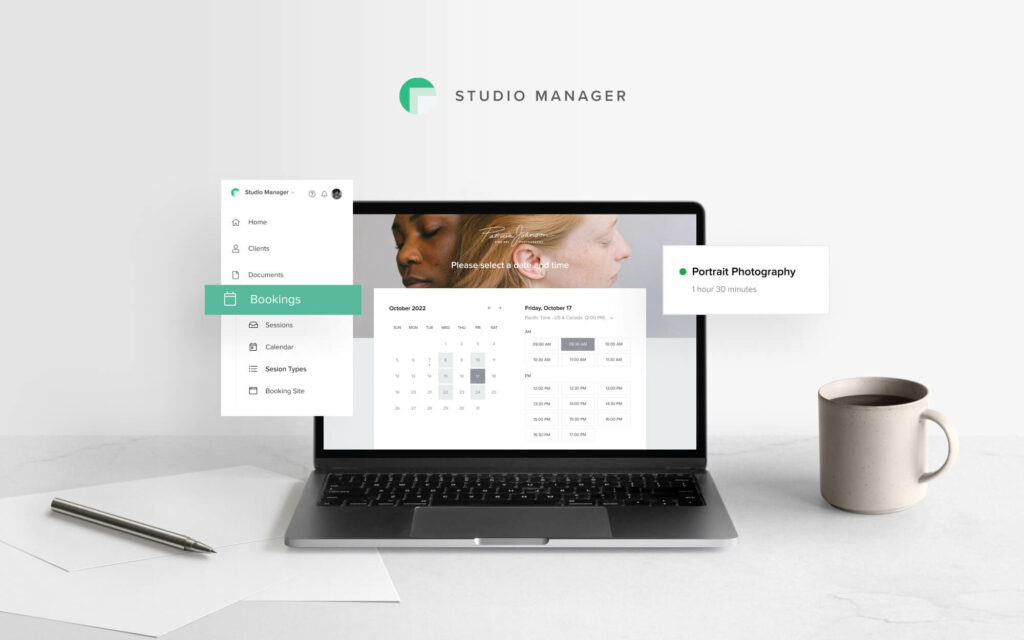
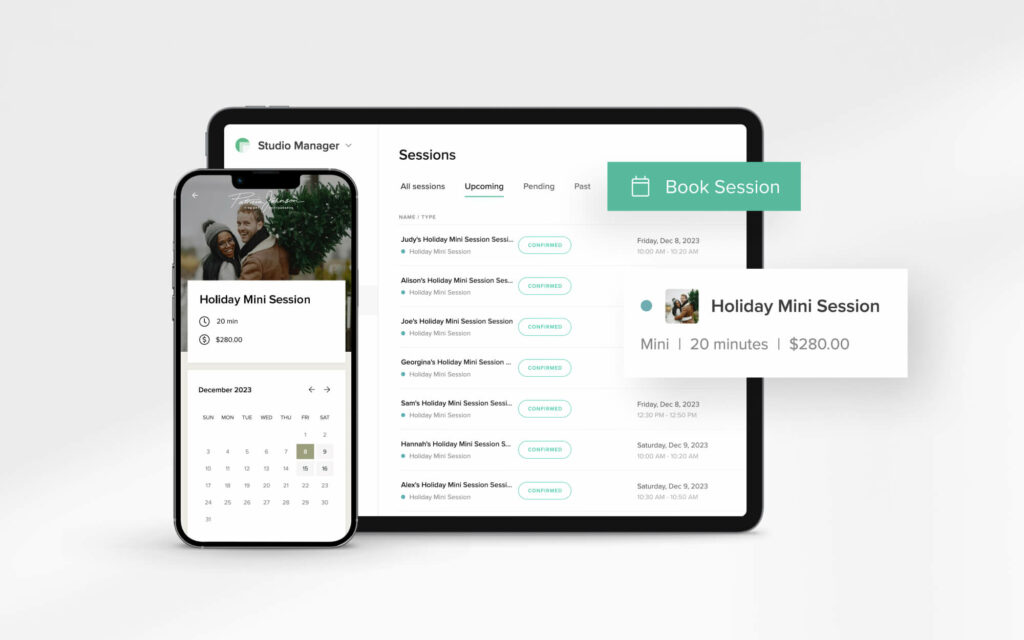
Mini sessions are fast-paced, often booked back-to-back, and leave little time for administrative follow-up. To avoid repeated messaging and ensure every client agrees to the same terms, it's helpful to build a contract directly into your booking process. When clients select a time slot on your booking site, they can be prompted to sign a standard agreement, fill out a short questionnaire, and pay for the session—either in full or with a deposit. Learn how to add Intake Forms as part of your session intake.

3. When working with commercial or brand clients
Commercial shoots often come with more complexity—things like licensing, usage rights, and product placement need to be clearly defined to protect both you and your client. A well-crafted services agreement should include terms around image ownership, where and how the photos can be used, delivery timelines, and any fees for extended or commercial usage. Laying this out in writing ensures that both parties are aligned and helps prevent disputes down the line.
For example, if you’re photographing lifestyle content for a local skincare brand, your contract might specify how many edited images are included, options to purchase additional photos, and whether usage is limited to social media or extends to print advertising. It should also cover model releases if needed and clarify any restrictions or additional fees tied to broader distribution.

4. When working with repeat clients
Even when working with repeat clients, a signed contract is still essential. Just because someone has booked you before doesn’t mean you should skip the paperwork. Your pricing, policies, and deliverables can change over time, and a fresh agreement ensures everything is up to date. It also helps protect you legally, outlines what’s included, and prevents misunderstandings around payment, image usage, or rescheduling policies. Build contract delivery into your regular workflow with templates, checklists, or a tool like Studio Manager to help automate the process and avoid anything slipping through the cracks.
5. When you’re not charging money (barter agreements)
Even when no money is changing hands, a contract is still essential—especially in barter arrangements where you're exchanging photography services for something of value, like goods, services, or promotion. These informal agreements can easily lead to misunderstandings if expectations aren’t clearly outlined. A written contract helps define what each party is providing, the timeline for delivery, and any usage rights associated with the images. It also reinforces the professionalism of the arrangement and protects both sides in case things don’t go as planned.
For instance, say you agree to photograph a local café’s new menu items in exchange for a month of free coffee and a social media feature. Your contract should outline the number of images you’ll deliver, when and how the café can use them, and what they’re offering in return. It might also include expectations for crediting your work on social platforms or limitations on commercial usage. Even without a financial transaction, putting the terms in writing ensures mutual clarity and accountability.
Make contracts part of your client experience
Contracts don’t have to feel stiff or transactional. In fact, when used well, they improve your client relationships. They show that you’re organized, transparent, and committed to delivering a great experience from the start.
Here are a few tips to keep the process seamless:
- Send contracts early in the booking process
- Keep language clear and easy to understand
- Use digital signing to make it easy for clients
- Pair contracts with other documents like questionnaires and invoices
Studio Manager makes this admin work simple by combining booking, contracts, invoices, and questionnaires in one platform—so you can manage your full client journey in one place.
Create your photography services agreements with Pixieset
Ready to streamline your client workflow? Studio Manager makes it easy to get started—for free. You can explore professionally designed contract templates, send and collect e-signatures, and manage all your client documents in one place. Plus, Studio Manager goes beyond contracts, with powerful tools for bookings, questionnaires, invoices, and payments—all built for photographers.
Try out everything at your own pace, and upgrade only when you’re ready to unlock more features. Whether you’re just starting out or managing a growing photography business, Studio Manager helps you stay organized, look professional, and save time every step of the way.
Create a free account on Pixieset to get started
 Studio Manager